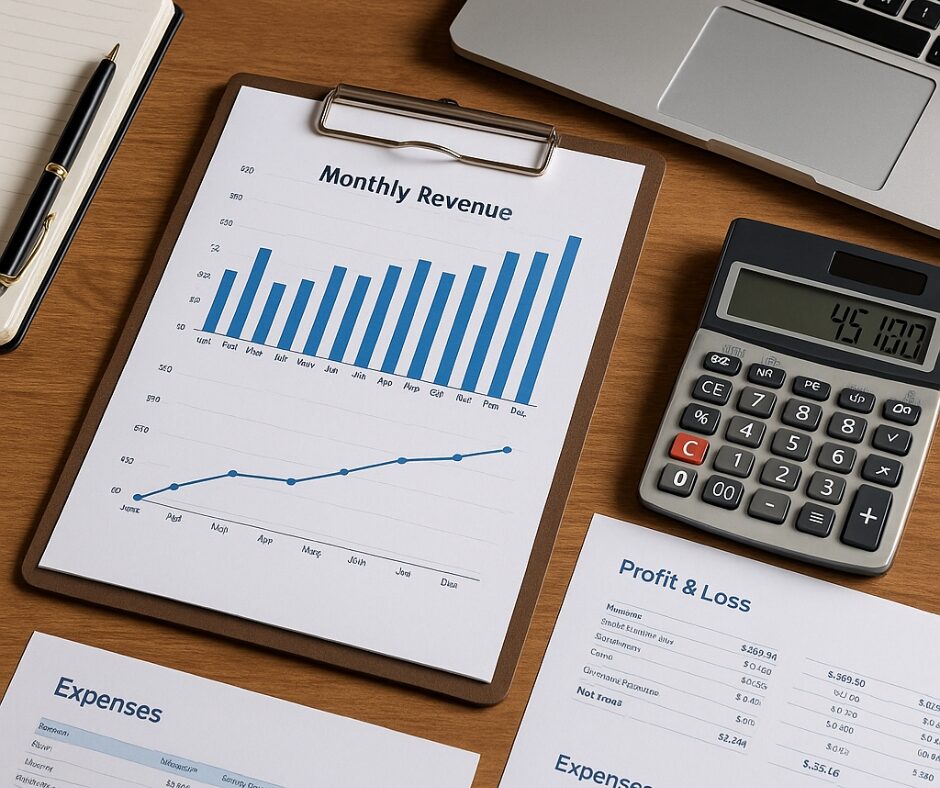

Cash flow problems don’t just happen to failing businesses. In fact, many fast-growing companies collapse—not because they weren’t profitable, but because they didn’t have cash on hand when they needed it most. The truth is, managing cash flow isn’t optional. It’s essential.
Let’s unpack the top cash flow mistakes business owners make and, more importantly, how to avoid them before they derail your progress.
What Is Cash Flow—and Why Should You Care?
Cash flow is the movement of money into and out of your business. Think of it like your company’s breathing pattern—inhale (receiving money), exhale (paying bills). If that rhythm gets disrupted, even for a little while, your entire operation can start to suffocate.
Many small business owners focus heavily on profits. That’s important, sure—but profits mean little if your cash is tied up in unpaid invoices or delayed client payments. Cash is what keeps the lights on. It keeps your team paid. It gives you peace of mind.
1. Late Invoicing
Let’s start with a painfully common error: sending out invoices late.
When you delay billing, you’re effectively giving clients an interest-free loan. It doesn’t matter how solid the relationship is—delayed invoicing disrupts your ability to meet your own obligations. You can’t pay your team or vendors with “IOUs.”
The fix? Automate. Use accounting platforms like QuickBooks or FreshBooks to generate invoices immediately after a service is rendered. Set up automatic reminders. Better yet, set expectations early in your contracts—30-day payment terms should be clearly outlined. Don’t wait until cash gets tight to follow up.
2. Overestimating Revenue
It’s easy to fall into the trap of optimism—especially when a few big deals seem to be right around the corner. But banking on money that hasn’t hit your account is risky.
When you plan your spending based on expected revenue rather than actual income, you leave yourself vulnerable to market shifts, customer delays, or cancellations. I once projected a record quarter based on three deals in negotiation. One client went silent. Another downgraded. The third? They ghosted entirely.
Lesson learned: base your budget on collected revenue and conservative projections. Anything above that is a bonus, not a baseline.
3. Ignoring Seasonal Fluctuations
If you’re not accounting for seasonality, you’re setting yourself up for stress.
Every industry has cycles. Retail sees a boom during the holidays. Landscaping slows in winter. Even digital service businesses have lulls—like right after New Year’s, when clients freeze budgets.
Ignoring these cycles means you’ll overspend during your busy months and get blindsided when the slow periods hit. Analyze your last 12–24 months of revenue. Identify when your dips occur. Then, build a seasonal cash reserve or stagger your big expenses around your high-income periods.
4. Lack of Cash Reserves
This one stings because it usually becomes obvious after the emergency hits.
Having no cash buffer is like driving without a spare tire. It’s not a problem—until it really, really is. Equipment fails. Projects get delayed. Invoices go unpaid. If you don’t have a cushion, even one unexpected expense can throw everything into chaos.
Build a reserve that can cover at least 3 months of fixed operating expenses. Treat that reserve as untouchable unless it’s a true emergency. It’s your business’s oxygen mask—put it on first.
5. Overspending on Growth
Yes, growth is exciting. But too much, too fast can crush you.
I’ve seen entrepreneurs hire aggressively, launch new locations, or invest in major software upgrades—only to find out they didn’t have the revenue to support it. They scaled their dreams faster than their cash could support.
Before making any major growth move, ask yourself: Can I support this if revenue stays flat for three months? If not, pump the brakes. Sustainable growth is healthy growth.
6. Not Tracking Cash Flow Regularly
You can’t manage what you don’t measure.
Many business owners only look at their bank balance—and while that’s a snapshot, it doesn’t give you the full picture. You need to know what’s coming in, what’s going out, and when those movements are happening.
Make it a habit to check your cash flow at least weekly. Review pending invoices, upcoming payments, and bank transactions. I block 30 minutes every Friday morning to do this. That one habit alone has saved me from surprise overdrafts more than once.
7. Mismanaging Accounts Receivable
If your clients are late paying you, it directly impacts your cash position. Every day an invoice is past due, your ability to invest or pay expenses shrinks.
Don’t just hope clients will pay on time—systematize your follow-ups. Set automated reminders, call after 7 days past due, and be firm about late fees if that’s in your agreement. You’re not being pushy; you’re running a business. If collections are a constant struggle, consider offering discounts for early payment or implementing retainer agreements.
8. Failing to Forecast Cash Flow
Forecasting cash flow is like checking the weather before a road trip. It helps you plan, avoid trouble, and take action before the storm hits.
Your forecast should account for expected income, planned expenses, and timing differences. You’d be surprised how quickly a profitable month can go sideways if income arrives after rent is due.
Use a cash flow template or tool to project 30, 60, and 90 days out. Even a rough forecast gives you an edge most entrepreneurs skip.
9. Not Separating Business and Personal Finances
It may seem convenient to swipe one card for everything, but blurring these lines creates a mess that’s hard to clean up.
Not only does it make taxes harder and reduce your deductions, but it also prevents you from seeing your business’s true financial health. You could be bleeding money and not even realize it.
Open a dedicated business checking account and use a business credit card if necessary. This one move increases your credibility, simplifies accounting, and creates a strong foundation for funding in the future.
10. Ignoring Small Expenses
You know that $12/month subscription you forgot about? Multiply that by five. Then add coffee meetings, convenience fees, and that one “emergency” software purchase that nobody uses anymore.
Individually, these costs feel harmless. Together, they form a slow leak that weakens your cash flow. I recommend doing a monthly or quarterly audit. Scrutinize every transaction and ask: Do we still need this?
Cutting even $300/month in unnecessary expenses can create breathing room—and build momentum toward better financial discipline.
Conclusion: Cash Flow Mastery is Business Survival
Running a business comes with enough pressure as it is. Don’t let preventable cash flow mistakes be the reason you lose sleep—or worse, lose your business.
Mastering cash flow means paying attention, planning ahead, and making proactive decisions. If you’ve made some of these mistakes before, don’t beat yourself up. I’ve made several of them myself. What matters is that you take the lessons and move forward with clarity.
So, what’s your next step? Maybe it’s setting up an invoicing system, or maybe it’s reviewing your monthly subscriptions. Whatever it is, do it today.