
Being your own boss sounds like freedom, right? But let’s be honest: solopreneurship or side hustling brings a financial rollercoaster. One month could be a feast, the next a famine. Without a proper financial system in place, it’s easy to spiral into confusion or worse—debt. So let’s break down real, actionable finance tips for solopreneurs and side hustlers that’ll help you build a strong, sustainable money game.
Budgeting Techniques: Your Financial Blueprint
You’ve heard it before—budgeting is essential. But here’s why it really matters when you’re flying solo.
Budgeting isn’t about cutting out coffee or tracking every cent obsessively. It’s about creating clarity. When you know where your money’s going, you reclaim power over your income.
Start with a zero-based budget, assigning every dollar a job. Track variable income by averaging your last 3 to 6 months of earnings and use that number as your base.
Separate personal and business finances immediately. Use tools like Wave, YNAB (You Need a Budget), or even a simple Google Sheet. I once tried managing everything from a single bank account—it was chaos. Splitting my finances showed me exactly how much I was reinvesting and how much I could safely spend.
Also, include sinking funds for business expenses like software renewals, marketing campaigns, or courses. These aren’t emergencies—they’re expected costs, and budgeting for them removes stress later.
Building Emergency Savings: Your Safety Net
Most solopreneurs overlook this one until it’s too late. That gig falls through, a major client bails, or you get sick. Suddenly, you’re scrambling.
Start by aiming for three months of living and business expenses, then build to six. Automate transfers to a high-yield savings account after every payday—even if it’s $10. Consistency matters more than the amount.
Create two separate emergency funds:
- Personal Emergency Fund: Covers rent, groceries, insurance, etc.
- Business Emergency Fund: Covers software, web hosting, marketing tools, taxes, and anything else you rely on.
This dual-fund strategy ensures you don’t pull from personal savings when business gets tight. It also prepares you to take calculated risks like launching a product or scaling up services.
Smart Investment Plans: Grow Beyond the Grind
If you’re only earning money from your hustle, you’re still trading time for income. Smart investments build passive income and long-term wealth.
Start with a Roth IRA or SEP IRA. Both are great for self-employed individuals. Even if you only contribute $50 a month, compound interest will thank you later.
Next, diversify. Don’t put all your eggs in one stock or business. Use platforms like Vanguard, Fidelity, or even robo-advisors like Betterment or Wealthfront.
Want to go a step further? Consider:
- Dividend Stocks: Pay you just for holding them.
- Real Estate Crowdfunding: Like Fundrise or RealtyMogul for passive property income.
- REITs (Real Estate Investment Trusts): Publicly traded, high liquidity investments.
The key here is discipline. Investing isn’t just for the wealthy—it’s how they became that way.
Tax Planning for Self-Employed: Don’t Dread April
If you wait until tax season to think about taxes, you’re already behind.
Track every deductible expense—home office, equipment, advertising, mileage, subscriptions, coaching. Use accounting apps like QuickBooks Self-Employed, FreshBooks, or Keeper Tax. They track everything and help auto-categorize for you.
Also, pay your quarterly estimated taxes. Yes, it’s annoying, but skipping it can lead to nasty penalties.
Here’s a pro tip: every time you get paid, set aside 25–30% of the income into a separate tax account. Out of sight, out of mind—and it saves you from tax season panic.
And when in doubt? Hire a tax professional. A good CPA doesn’t just file returns—they help you legally reduce your tax bill and plan smarter.
Measuring Profitability: Know What You’re Really Making
Revenue feels good. But it’s not the full picture.
Let’s say you made $5,000 this month. After subtracting your ad spend, subscriptions, tools, freelance help, and taxes, you only take home $1,800. That’s your profit, and it’s the only number that really matters.
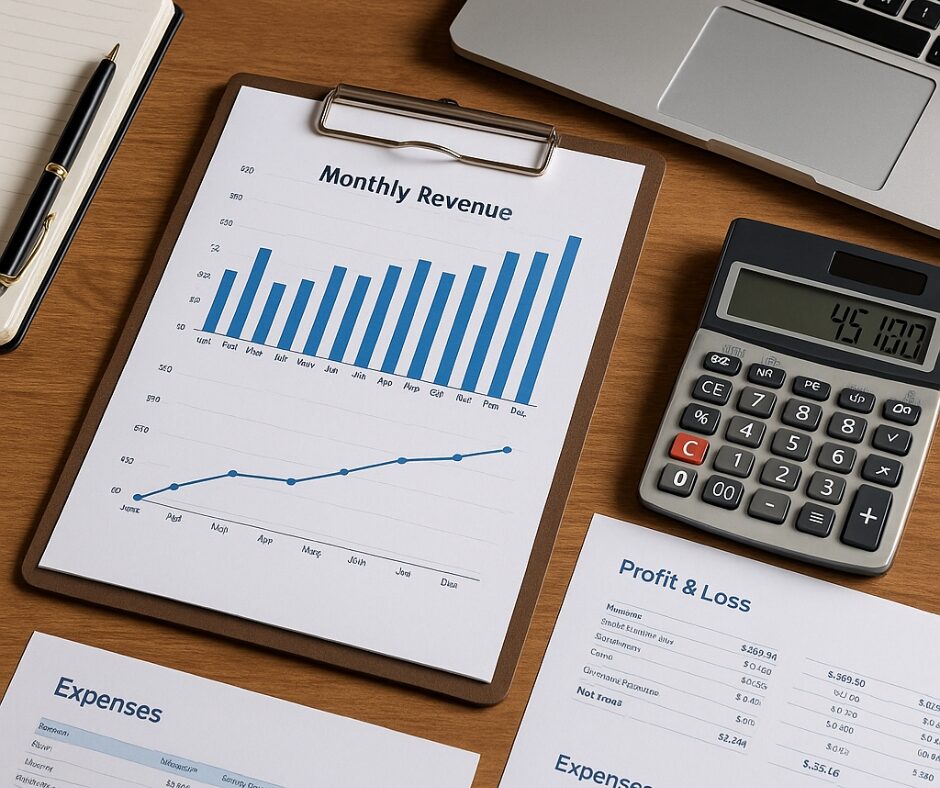
Use a Profit and Loss Statement (P&L) monthly. It shows income vs expenses clearly. Even if you’re not a numbers person, this one report will open your eyes.
Also, track profit margins for each offer or product. You might realize that your lowest-priced service requires the most hours and yields the smallest return. It happened to me—I was offering a $99 design service that took 6 hours per client. When I raised my rate and streamlined the process, my income doubled without more work.
Knowing your numbers means you can confidently price your work, reinvest strategically, and scale with purpose.
Final Thoughts
Applying these finance tips for solopreneurs and side hustlers won’t just give you peace of mind—it will empower you to grow intentionally, save proactively, and invest in your future with clarity.
The hustle can be chaotic, but your finances don’t have to be.
If you’re serious about building something real, start managing your money like a CEO. Because you already are one.