
Cloud accounting has been transforming the way businesses handle their financial operations. In an era where agility, efficiency, and accessibility are no longer optional but essential, adopting cloud-based tools is rapidly becoming the go-to choice for entrepreneurs, startups, and established enterprises alike. Yet, with every major technological shift, it’s important to pause and weigh both the advantages and the limitations before making a leap. In this post, I’ll dive deep into the pros and cons of cloud accounting, giving you a practical, experience-backed perspective so you can decide whether this move is right for your business.
1. Cost Savings and ROI
One of the most compelling benefits of cloud accounting is its potential to reduce operating costs. Traditional accounting software often requires a hefty upfront investment, including licensing fees, installation on multiple machines, and occasional upgrades that can get pricey. In contrast, cloud accounting typically follows a subscription-based model, allowing businesses to pay monthly or annually depending on their usage and scale.
This model can help with budgeting and cash flow, especially for smaller businesses. You don’t need to buy and maintain servers or worry about system crashes or updates because the cloud provider handles all of that.
However, the costs aren’t always as low as they seem. Over time, those monthly fees can add up. If you require advanced features, more users, or integrations with other systems, you may find yourself on a higher-tier plan. And when you tally up the long-term expense of the subscription model, it could rival the cost of a traditional setup. The key is to perform a cost-benefit analysis over 3 to 5 years to determine the real ROI of cloud accounting for your specific needs.
2. Accessibility and Real-Time Collaboration
Cloud accounting platforms shine when it comes to accessibility. Whether you’re a freelancer checking invoices from a coffee shop or a CFO reviewing reports during a business trip, being able to log in from any device with an internet connection is a game changer.
Beyond personal convenience, cloud tools also foster team collaboration. Your accountant, bookkeeper, and even your tax advisor can access the same up-to-date records in real time. No more emailing spreadsheets back and forth or dealing with outdated versions of files.
However, this accessibility relies entirely on internet connectivity. A slow or unstable connection can be frustrating—and in some areas or during travel, this can become a barrier. There’s also the human factor: if access isn’t managed properly, it opens the door for potential errors or even accidental data deletions. It’s critical to establish clear user roles and permissions within your cloud accounting system.
3. Scalability and Integration
As businesses grow, their financial needs grow with them. One of the unsung benefits of cloud accounting is how effortlessly it scales. Most platforms offer tiered pricing plans, so you can start with a basic package and gradually upgrade as your business expands. New users, features, and storage capacity can often be added with just a few clicks.
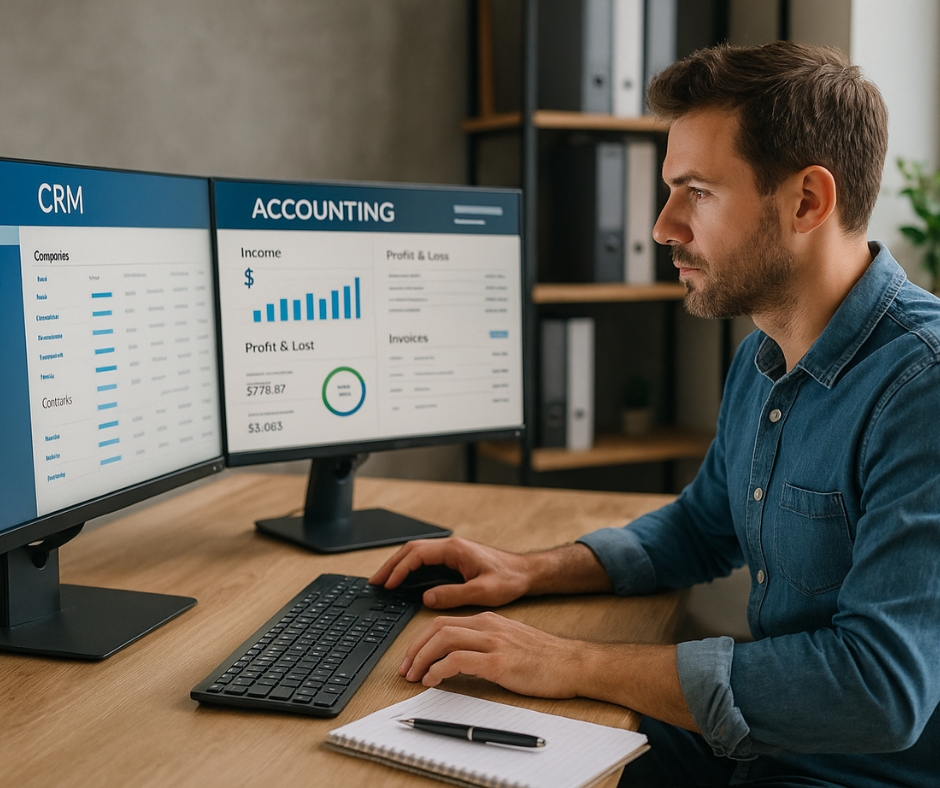
Integration is another area where cloud accounting excels. You can connect your accounting software with payroll services, inventory systems, CRMs, and even e-commerce platforms. These integrations automate data transfer between tools, minimizing manual input and reducing the risk of errors.
Yet, not all integrations are created equal. Some require third-party connectors, and others may be limited depending on your plan. It’s worth investigating whether your current tools will play well with your chosen accounting platform—or whether you’ll need to switch systems entirely.
4. Data Security and Risk Management
Data security is always a hot topic—and for good reason. Your financial data is among the most sensitive and valuable information your business holds. Cloud accounting providers know this, which is why most reputable platforms invest heavily in security measures like encryption, multi-factor authentication, and automated backups.
They also offer compliance with regional data protection laws (like GDPR or CCPA), which is critical if you’re handling customer information or operate in multiple jurisdictions.
Still, no system is invincible. Even the biggest platforms have had outages, and breaches—while rare—can happen. The risk isn’t just from hackers either. Poor password management by your team or lack of proper training can expose your data just as easily.
The takeaway? While cloud platforms offer strong protection, ultimate responsibility still lies with you. Educate your team, set up solid security protocols, and regularly review who has access to what.
Conclusion
So, where does that leave us? The pros and cons of cloud accounting can look very different depending on your business model, size, and goals.
✅ If you’re a small business owner looking for flexibility, real-time data, and low upfront costs, cloud accounting could be a game-changer.
⚠️ But if you operate in a highly regulated industry or lack reliable internet access, you might need to approach with caution.
The best move? Take a free trial. Test the system with your real workflows. Talk to your accountant about compatibility. And most importantly, don’t rush the decision. You’re not just picking a tool—you’re building a financial foundation that supports your business’s future.